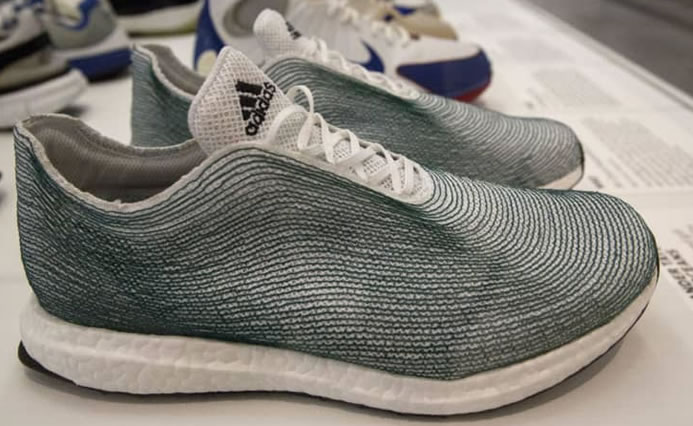
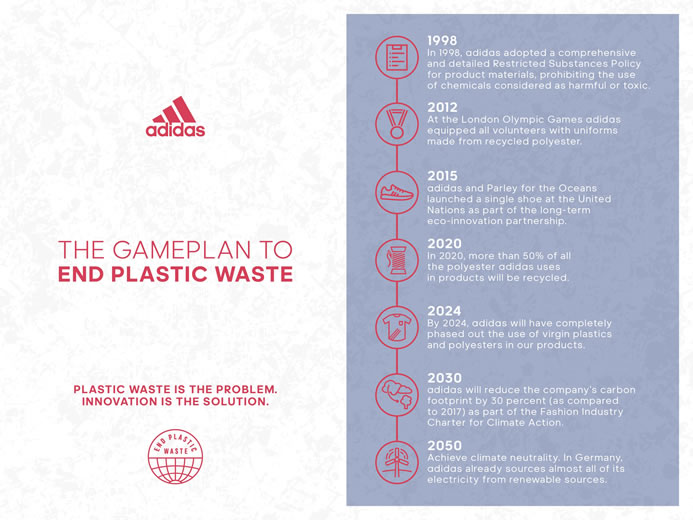
Adidas will launch new fabrics made from recycled polyester and marine plastic waste and expand the product lines that use them after the success of shoes made with the Parley for the Oceans initiative. Adidas first teamed up with Parley in 2015 and gradually ramped up production of shoes using plastic collected on beaches and coastal regions to make more than 11 million pairs in 2019, still only a fraction of a group total of more than 400 million. Since 2012, Adidas has innovated new products and processes with sustainability-focused partners like Parley for the Oceans, Stella McCartney and the U.S. International Space Station.
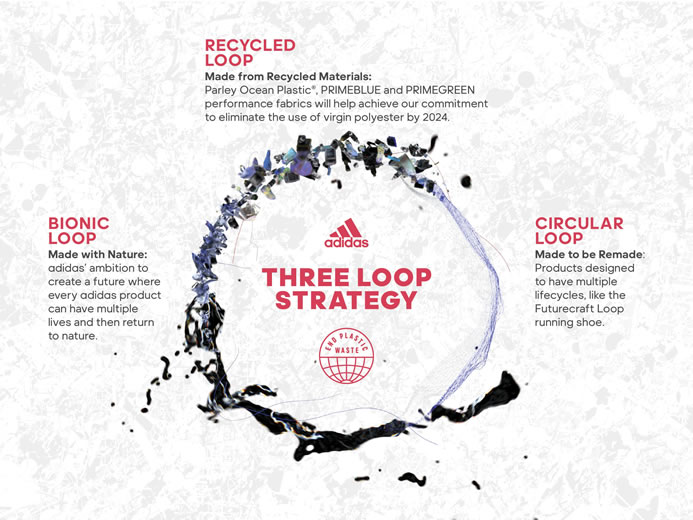
This year Addidas will launch PRIMEBLUE and PRIME GREEN performance fabrics, two new sustainable technologies where 100% of the polyester used is recycled. PRIMEBLUE, a performance fabric that contains Parley Ocean Plastic, is now included in some of the brand’s most iconic and visible performance products like Ultraboost shoes and in the uniforms of some of the biggest leagues and teams in the world. In total, the German firm will produce 15-20 million pairs of shoes using ocean plastic in 2020.
PRIME GREEN, a performance fabric that contains no virgin plastic, will be available later this year and will also be featured in key competitive products. Adidas wants more than half of the polyester it uses to be recycled in 2020, ramping up to 100 percent by 2024. Both performance fabrics will play a significant role in Adidas reaching more than 50% total volume of recycled polyester at the end of 2020 and its commitment to END PLASTIC WASTE. Nike uses recycled polyester yarn for the uppers of its popular Flyknit shoes, saying that it has helped it divert more than 4 billion plastic bottles from landfills.
Going green is a trend that’s here to stay and for many people, the easiest first steps are recycling and making more conscientious purchasing decisions. You can combine both of these initiatives by investing in recycled clothing and footwear instead of fast-fashion, which has had a serious impact on the environment.
Did you know that it’s one of the biggest contributors to pollution because of all the waste it creates? From the production practices to the growing landfills packed with these clothes that constantly need to be replaced, fast fashion’s impact is far reaching. From garments made from recycled trash to biodegradable wedding dresses, more and more brands are committing to sustainable fashion practices, and you can too.
To make your mark by shrinking your footprint, you can begin revamping your wardrobe from top to bottom with items that are recycled, starting with these recommendations:
Sustainably Made Shoes
Let’s start with one of the most important parts of your wardrobe—your shoes. Fortunately, there are many shoe brands taking steps in the right direction, including Rothy’s. Not only are Rothy’s shoes always on-trend but they’re also sustainable and comfortable. By using eco-friendly materials including thread made from repurposed plastic water bottles and bio-based algae, running their workshop that’s held to the highest sustainability standards, and shipping their shoes directly in their boxes, Rothy’s is able to make shoes that you can feel good about wearing for years to come.
Try them out and you won’t be able to find a reason to look elsewhere. Whatever your preferred shoe style, from flats to sneakers, they have you covered. Start with a pair of cute Chelsea boots just in time for the cooler months.
Recycled Denim
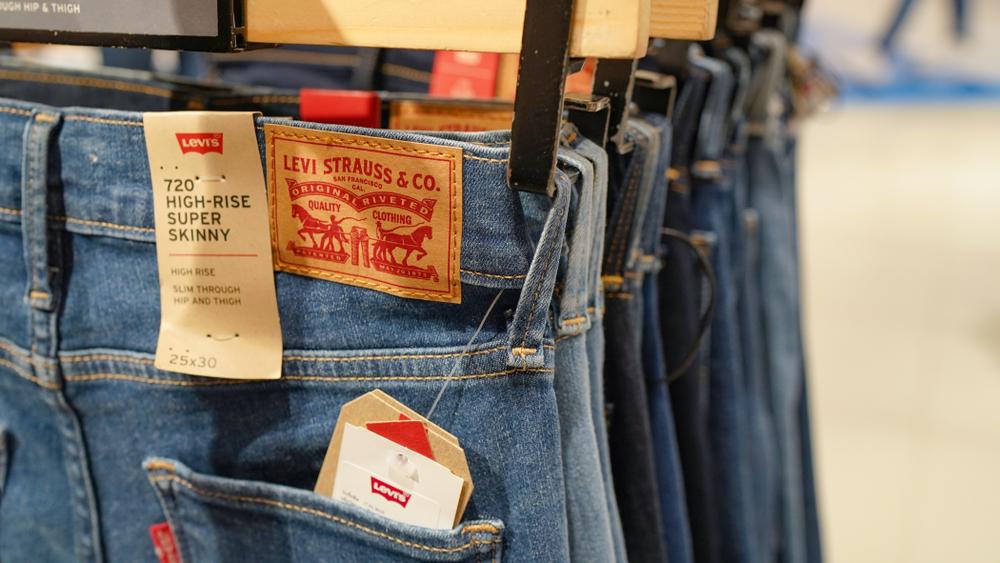
Jeans are a staple in nearly everyone’s wardrobe, so they’re also a big source of waste. But, when it comes to your denim, you can do better. Thanks to the uptick in demand from consumers, there are plenty of options for eco-friendly jeans—including arguably the most well-known name in denim, Levi’s. Levi’s has been the go-to retailer for well-fitting jeans for decades and they still are, even for those who are striving for an eco-friendly wardrobe. The company is dedicated to using recycled fabrics and sustainable materials to make their iconic jeans.
They have a broad selection of recycled denim including their 711 skinny jeans, wedgie fit women’s jeans, and their popular exposed button mom jeans. Today, they’ve committed to re-purposing old vintage denim, use responsibly sourced cotton and lyocell, and reducing their water consumption in the production process.
Tees & Outerwear
Top off your look with recycled tees and outerwear by Recover. They reuse plastic bottles and upcycle cotton, turning them comfy yet stylish tees and outerwear you’ll love. Thanks to their dedication to eco-friendly fashion, not only has Recover been able to divert 7.8 million plastic bottles from the landfill, but they’ve also saved 29.2 million kilowatts of energy, 11.8 million pounds of carbon emissions, and 2 billion gallons of water. Plus, their clothes are buttery soft.
You can take comfort in knowing that when you throw on one of their classic v-neck tees, you’ve made a choice that looks and feels good.
Accessories
No look is complete without the right accessories and fortunately you don’t have to sacrifice them. You may be aware that a lot of jewelry companies are scrutinized for their unethical practices and wasteful materials. However, there are many brands that are dedicated to breaking that stigma.
From designers who are passionate about recycling E-waste that can be turned into metal jewelry to major companies who are focused on making ethically sourced diamonds trendy, there are virtually limitless options to find accessories that suit your style.
As you can see, there are plenty of stylish ways to wear recyclable fashion, from shoes and clothing all the way down to your accessories. While starting to integrate eco-friendly pieces into your wardrobe is a great first step, don’t forget to also recycle your old clothes to help prevent them from ending up in landfills. You’ll have to invest some time and money to start dressing sustainably, but it’ll be worthwhile when you can enjoy the peace of mind that you’re part of the solution.
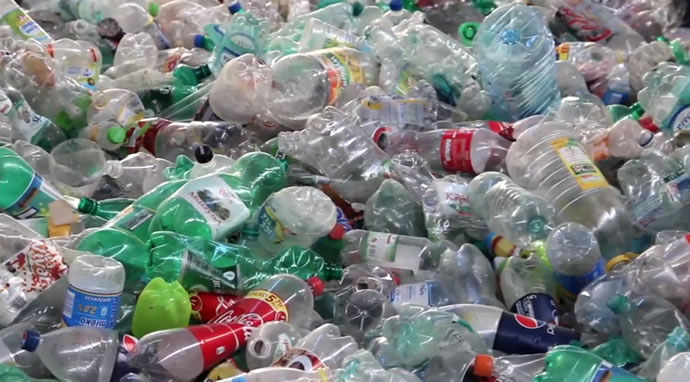
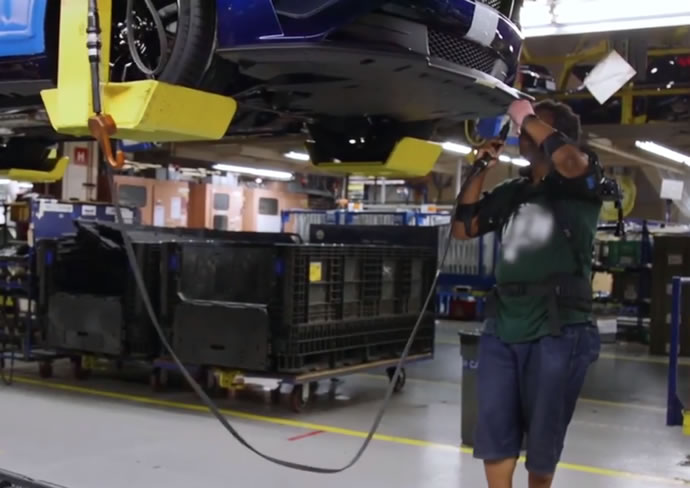
Ford Motor is playing a major role in promoting environmentally friendly auto parts, and one way they’re doing that is by using recycled plastic bottles for underbody shields on all cars and SUVs, and wheel liners on F-Series trucks – up to 250 bottles per vehicle. Recycled bottles are used to manufacture parts that can help improve vehicle aerodynamics and reduce cabin noise. In the past decade, aerodynamics has driven the need for underbody shields, and the use of plastics in vehicle parts is used globally, and has grown exponentially – Ford uses about 1.2 billion recycled plastic bottles per year – about 250 bottles per vehicle on average.
When plastic bottles are thrown into a recycling bin, they are collected with thousands of others, and shredded into small pieces. That’s typically sold to suppliers who turn it into a fiber, by melting the bottle and extruding it. Those fibers are mixed together with other various types of fiber in a textile process and used to make a sheet of material – which is formed into the automotive parts. Due to its light weight, recycled plastic is ideal for the manufacture of underbody shields, engine under shield and front and rear wheel arch liners that can help improve vehicle aerodynamics. These shields also help create a significantly quieter environment on the all-new 2020 Ford Escape.
Environmentally, using recycled plastics on vehicle parts helps reduce the amount of plastic that can end up in dangerous situations, such as the Pacific gyre, for example – a floating mass of plastic bigger than the size of Mexico in the Pacific Ocean.
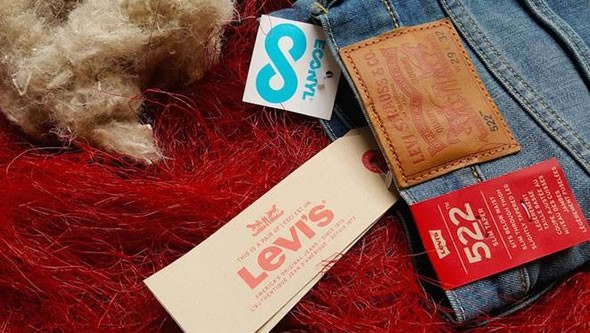
Can your old clothes be recycled to create new ones? Why not? In fact, your old t-shirts could be repurposed to make a swanky pair of jeans. That’s just what Levi’s and Evrnu worked on together. The company had earlier shown initiative in creating jeans from recycled nylon waste and bottles but conjuring up a new piece of clothing from cloth itself will surely be more achievable and cost effective. Evrnu has devised a technique where five old t-shirts can be used to create the new pair of jeans by consuming just 98 percent less water than regular cotton production. Evrnu has a patent-pending technology that breaks down cotton, thus enabling swifter production. Levi’s has recognized that water conservation finds a great opportunity in the way cotton is dealt with and this amazing new move is just what the doctor ordered for an ailing, fashionable planet.
Fishing nets are aplenty in the oceans of the world. Mostly, discarded nets end up in balls of tangles often to disappear into landfills. They also prove to be a visible threat to marine life. So, why not put them to good use? In jeans may be? Levi Strauss & Co. are taking their sustainability actions to the next level by introducing closer to home than their previous venture with water-recycled processes in their Chinese factories. The brand has tied hands with an Italian nylon manufacturer, Aquafil, to leverage the latter’s nylon regeneration prowess. The denim manufacturer has recognized the shortage of cotton when compared to the demand and has joined hands with Aquafil to create clothing made from recycled nylon waste.
H&M has commenced its initiative entitled World Recycle Week and to get the message across all the 61 worldwide markets and 3,900 stores it has commissioned recording artist, M.I.A. to take the message across. The aim of the campaign is to collect a total of 1,000 pieces of garments from consumers across the globe. Clothing that heads to the landfill leads to its own share of the overall burden of waste. By recycling large volumes of clothing, we can rid the earth of unnecessary, wasted and unusable old garments that are discarded in tons. The artist will be a part of a new music video that will bring the issues of discarding clothing in the limelight and focus on how recycling can help improve the way we deal with old clothing.
It goes without saying that when it comes to electronic waste and with the large usage of smartphones, all eyes automatically fall on the biggest manufacturers and sellers. That’s why Apple is in everyone’s focus and there’s much expected from them on this front. The good news is that the company has announced a bunch of exciting new products and with it, the promise of a new research and redevelopment program that sees the recycling initiatives of the company in action. Called, Apple Renew, the program is set to encourage users to recycle their devices by sending them back to Apple, free of cost. The company has commissioned a robot called Liam to salvage the best it can from the returned goods. The move is a welcome breather for environmentalists who worry about the growing pile of discarded devices, each time a new upgrade is announced.
Ever wondered what happens to all the chewing that’s chewed and thrown away? One thing’s for sure, it doesn’t all combine to be a giant ball of gum that swallows the planet. So what does it do? Not much, really. So, we have an English designer, Anna Bullus take things into her own hands and create the incredible Gumdrop Bin. Bullus spent eight months experimenting at the University of Brighton chemistry lab where she finally came out with a solution for the world’s mounting chewing gum problem. All the deposited gum is collected by Gumdrop LTD and processed to create Gum-Tec products. A single, full bin can create three more bins and Gum-Tec products such as an Americano Mug, Guitar Pick, Bicycle Spoke, Rulers, Sports Cones, Frisbee and Boomerang, Door Stop, Meal Mate, Lunch Boxes and Combs.
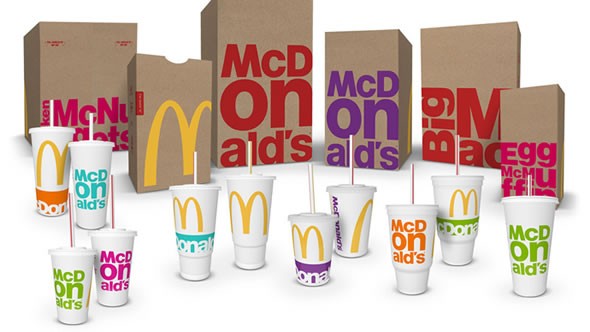
They may be the overlords of junk food but when it comes to saving the environment from unnecessary pollutants, McDonald’s seems to fit snuggly in with the good guys. The brand will be rolling out eco-friendly carry-out bags, fountain drink cups and sandwich boxes in over 36,000 worldwide outlets, this year. The campaign will begin with the US outlets of the brand and will gradually branch out. The company has already committed to sourcing all its fiber-based packaging from recycled sources by 2020. This is the company’s first redesign since 2013 and clearly indicates that McDonald’s isn’t giving fashion and style a blind eye. Matt Biespiel, Senior Director, Global Marketing, said, “We’re proud of the progress we’ve made and initiatives like this are important to our customers who care about the planet.” As if the packaging wasn’t enough, the brand has also partnered with The Cabrera/Bentancourt organization to create fashion accessories that are themed around the packaging.
Fashion brand Hennes & Mauritz, more popularly known as H&M, may be the world’s second largest garment manufacturer but they’re soon to make a name for themselves among the eco-friendly. The brand is promoting recycling of garments after critics pointed out that the damage being caused by a throwaway culture has been the key influencer in rising clothing sales. The Swedish giant is now launching a line of jeans that contain recycled cotton, in the coming week. The company is also allocating a million Euros as prize money for those who come up with innovative means to innovate and recycle clothing. “No company, fast-fashion or not, can continue exactly like today,” said CEO, Karl-Johan Persson. “The largest potential (of this endeavor) lies with finding new technology that means we can recycle the fibres with unchanged quality.”