Having pets in the house has many advantages, but it can also pose a risk to landlords.
This article discusses several advantages and disadvantages that you should consider if you are a landlord considering this option. We’ve also included some suggestions at the end in case you decide to take the plunge.
Pros
It Enlarges Your Options
Having pets owners as tenants gives you access to a much larger pool of potential tenants. A lot of people looking to rent property who already have pets are not willing to compromise on their pets.
Increased Rent
If you have pets in your home, you will need to raise your rent. We recommend including a small sum to help prepare for wear and tear.
Even if it is not a significant increase, typically around £50 a month extra for example, it will be sufficient to cover any maintenance that is required during the cleaning process.
Stabilized Tenants
Tenants with pets tend to be more settled in their lives due to the responsibility that comes with pet ownership. If a tenant is dependable and responsible, they will respect your property more.
Cons
Damage
Landlords are frequently irritated when pets cause property damage. While the deposit is refundable, pet damage is common. The most common type of pet damage is scratched up walls and lingering smell.
Allergies
If future tenants are allergic to pets, it can be a difficult situation. Though this doesn’t seem like it would be an issue, pet hair can linger in properties, and this can hurt future tenants with allergies or breathing problems.
Deep Cleaning
Once a pet has been removed from a property, an additional clean is required. This is both time-consuming and costly.
Tips To Consider
Consider Carefully
You don’t need to accept every pet-owning tenant that comes your way. Simply acknowledge that you are considering pets and make your decision from there. There is no obligation here, and you can make a decision based on your criteria.
Draft A Favourable Tenancy Agreement
Make sure your tenancy agreement has a clause regarding renting with pets. Adding an umbrella clause that says pets are accepted is not recommended. Instead, the terms should be specific around what is and isn’t allowed.
Meet The Pet If Possible
You can also inquire about the pet’s current location to see if you are comfortable having one in your rental property. As a result, you can learn about its behaviour, cleanliness, and environmental impact.
Conclusion
Renting out your property to pet owners can be a great way to bring in extra income, but it comes with its own risks, especially if you’re not comfortable having strangers come in and out of your rental.
There is no one-size-fits-all answer when it comes to whether or not you should rent out your property to pet owners. It all depends on your exact circumstances and, in particular, what lease agreements you have with the respective tenant.
Supply chain challenges, problems, and setbacks have always been seen as part of running a business. From sourcing the materials you need to shipping the finished product to your clients, you need a robust supply chain to keep your business running. How you deal with the challenges and problems that exist in your supply chain is essential to your business’ success. In this article, we will discuss how you can overcome these challenges in your green business.
Understand Your Supply Chain Most of the companies that have issues with their supply chains do not understand their supply chains. A comprehensive analysis and understanding of your whole supply chain let you know what vulnerabilities exist as well as predict which problems are likely to come up in the future. By doing so, you can put measures in place to help mitigate supply chain problems.
Address Cyber Threats and Vulnerabilities It is almost impossible to run a business without the use of data and information dissemination among different partners. For all that technology does to enable both of these things, it also introduces threats that can cripple businesses and whole industries.
A supply chain is as strong as its weakest link, and this is why it is important to assess any cyber threats in your supply chain. By doing so, you can ensure that malicious third-party actors cannot interfere with your supply chain. This can be done through training employees and everyone involved in security best practices, improving your processes, and updating and upgrading your IT infrastructure regularly.
Diversify Your Suppliers Having one or just a few suppliers has always been frowned upon. This is because if a major supplier is unavailable, that could spell doom for your business. A great example is one cited on Satelliteindustries.com where they explain how winter weather and snowstorms in Texas have affected the sanitation and green industries due to grounding businesses that supply the raw materials required in these industries.
To overcome this challenge, a lot of businesses have one main supplier and several other suppliers they can rely on in case of an emergency. Additionally, businesses are advised to have suppliers in different geographic regions. If the companies that rely on the suppliers in Texas had suppliers in other regions, perhaps the raw material shortage would have been avoided.
Use Shipping To Your Advantage A shortage of drivers has always been a challenge for most types of businesses, but things have gotten a lot worse during the pandemic. This reduced number of drivers is cited as one of the reasons for supply chain challenges for green businesses. Fewer drivers mean that you cannot rely on the frequent delivery of smaller orders.
To take advantage of shipping, you need to opt for larger, less frequent shipments. Larger shipments not only save you money but also give you some cushion to work with in case your next shipment is delayed for any reason.
The failure to understand your supply chain as well as the risks that can lead to supply chain failures will affect your business. It is always best to be prepared by understanding your supply chain and putting measures to protect it against any issues that may arise.
If you have just inherited a property or you are in the middle of renting out your home because you want to move somewhere else, becoming a landlord can be tricky.
Fortunately, there are various detailed guides to renting your home that can help. However, most of the time you just need a list of the important things you need to remember. Here is a guide to the top four things every landlord should know before diving into the world of property letting.
1.You are Obligated to Make the House Liveable Before Tenants Move in: There are certain landlord obligations that come with renting out a property, some of which will be about the property itself. Is your property a turn-key property, or does it need renovations to make it liveable? If it is the latter, it is your duty to make adjustments before your tenants move in. Your property must adhere to strict requirements for it to be legally compliant for letting out to tenants. You need to find out what they are first.
2. Your property has Strengths and Weaknesses: You need to consider what type of tenant you would like to attract. Will you be a student landlord, or will you provide rental property to young professionals? These tenants are different and will have varying expectations of their landlord and the experience they want from their future home. For example, should you transform the 4-bedroom family home near a good primary school into 4-single-occupancy flats? Probably not. Reflect on the strengths of your property and position and plan accordingly.
3. There is a Learning Curve There will always be bumps you will encounter on the road of renting out property. For example, when you contact an exterminator for a mouse problem, he may spot mould in a crawl space. Before you know it, a small issue becomes a big and expensive problem. Experienced landlords are generally better at spotting potential issues, so don’t despair when there are problems – rather learn from them.
4. Emergencies are Inevitable: It is crucial that you are always prepared as a landlord and protect your residential property investment. Set aside a certain amount of money for insurance in case anything goes wrong. If your property is vacant all of a sudden, you need to ensure that you can pay for the mortgage without rental income.
Set money aside for unexpected problems. No matter how new property is, wear and tear and bad weather can easily lead to the need for repairs and maintenance.
5. The Bottom Line: At the end of the day, it’s all about the welfare of your tenants, good communication, and documenting agreements in writing. If you are thinking of employing a property manager, get in touch with an experienced and trained property professional who can make the experience of letting out your property less stressful and more profitable.
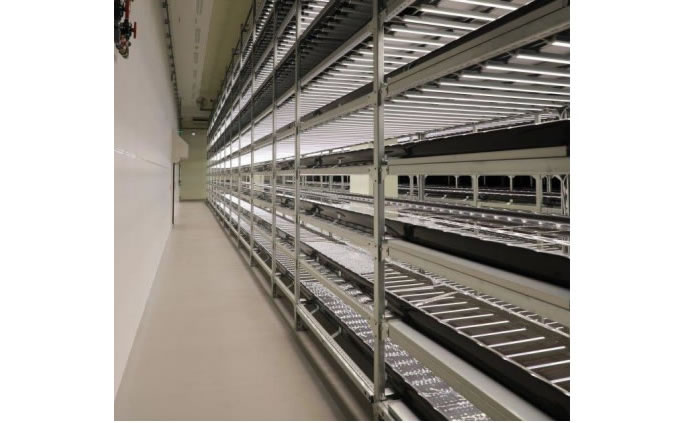
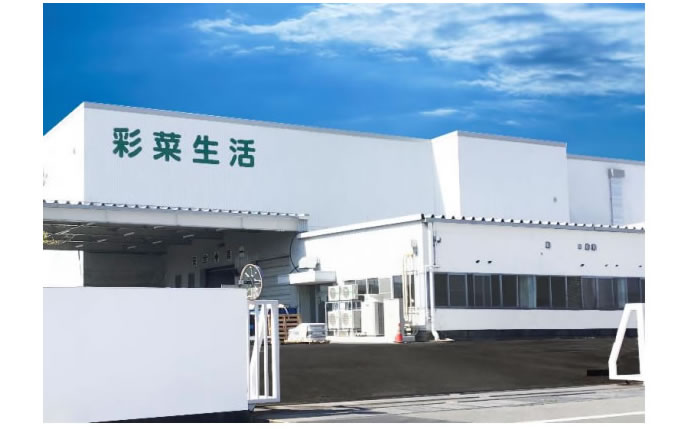
Tokyo Electric Power Company along with three other companies launched an indoor vertical farm in central Japan with production capacity of 5 tons a day — one of the worlds largest for facilities relying solely on artificial lighting. The three companies established Saisai Life in April 2019 for the purpose of conducting a leafy vegetable production and sales business centered on lettuce. Saisai Life started the operation of the farm with a total floor space of about 9,000 square meters last Wednesday in the city of Fujieda, Shizuoka Prefecture in Japan to grow leafy greens such as lettuce by utilizing light-emitting diodes.
For the construction of the factory, they have utilized the farm ship know-how that has a track record of operating plant factories, adopted unique LED lighting that enables more effective cultivation, and optimized the cultivation space, etc. The leafy vegetables from this artificial indoor vertical farm will be shipped to food processing plants mainly in the Kanto, Chubu, and Kansai areas, and the sales channels will be expanded to produce full capacity in one year. In addition, by cultivating in a hygienic environment without being affected by the external environment, it becomes possible to maintain high freshness longer than usual, leading to reduced food loss. This facility also provide solutions for some of the problems faced by Japanese agriculture industry, such as a decline in the number of farmers and the aging of farmers still working in the field.
Amazon on Tuesday pledged to invest $2 billion in projects aimed at combating climate change, stepping up efforts to reduce the carbon footprint of the tech giant and others. Amazon founder Jeff Bezos will look to invest in the visionary entrepreneurs and innovators who are building products and services to help companies reduce their carbon impact and operate more sustainably.
The pledge follows an announcement by Bezos last year that Amazon would accelerate its own efforts to cut its carbon footprint while encouraging others to join his “Climate Pledge” aimed at meeting goals of the Paris accord on climate ahead of schedule. The pledge has been joined by other companies including Verizon, Reckitt Benckiser and India-based tech giant Infosys. Amazon is on track to run on 100 percent renewable energy by 2025. It also will deploy more than 100,000 electric delivery vans to replace gasoline-powered vehicles.
The new fund will invest in companies in multiple industries, including transportation and logistics, energy generation, storage and utilization, manufacturing and materials, circular economy, and food and agriculture. The news comes amid growing concerns on climate change and with the US administration on course to withdraw from the global agreement aimed at curbing emissions. Some scientists have warned that climate change is accelerating, making mitigation efforts more urgent. The last five years have been the hottest on record, as has been the last decade, according to the European climate monitoring network.
The Korea Research Institute of Chemical Technology has developed a new technology to produce eco-friendly polyethylene furanoate (PEF) plastic. PEF has been spotlighted as a new bio-alternative to replace PET plastic and is made of glucose, a sugar substance originating from plants. The PET alternative is made by turning glucose into fructose, during which the common practice of using enzymes was known to be costly since enzymes cannot be recycled.
Another shortcoming has been that expensive devices are required to separate the remaining glucose from the fructose that has been created. The research team combined butanol with the commonly used hydrotalcite-based catalysts to create a new catalyst that is chemically stable and effective. The new catalyst costs only half the price of the enzyme-based manufacturing process since it can be reused, and expedited production is possible since it doesn’t require glucose to be separated from the fructose.
It is a dilemma that many entrepreneurs face at some point during their careers: How do you assess the economic value of your company?
There are many ways to value your business. There is no “right” way, although you could probably think of several wrong ones. Ultimately, the business is worth what you think based on the criteria you set.
However, you can make an estimate by evaluating the company in different ways and then choosing the mix that reflects your final value estimation. You can start by looking at the value of the company’s assets: What does the company own? What equipment? What inventory?
Company valuation can, among other things, help you attract investors, set a fair price for employees, or grow or expand your business. Here are a few criteria to use to value your small business.
Entry Cost
This is a simple process. You simply find out how much it cost setting up an existing company similar to the one being valued? You have to take into account everything that has brought the business to where it is today.
Write down all start-up costs and then the property, plant and equipment. How much would it cost to develop products, build a customer base and recruit and train employees?
Then think about the savings you can make on set up. If you can save by moving the business to another location or using cheaper materials, subtract this from the estimate.
When you’ve considered everything, you have your entry costs – and a valuation.
Price to Earnings Ratio (P/E)
Companies are often valued based on their price-earnings ratio (P/E) or multiples of the profit. This model is suitable for companies that have a proven track record. Determining an appropriate P/E ratio may depend on profits. If a company has high forecast earnings growth, this may indicate a higher P/E ratio. And if a company makes good repeat profits, it may also have a higher P/E ratio.
For example, using a P/E ratio of four for a business that makes £500,000 post-tax profits means it would be valued at £2,000,000.
How you get the right figures for your P/E can vary significantly depending on the business. Tech startups often have a high P/E ratio, as they are usually high-growth companies. A more common high street company like a real estate agency has a lower P/E ratio and is likely to be a mature business.
Valuation of A Company’s Assets
Stable, established companies with many properties, plant and equipment, are often suitable to be valued on these assets. Real estate and manufacturing companies are good examples of such companies.
To perform an asset valuation, you first need to determine the transaction’s Net Book Value (NBV). These are the assets reported in the annual financial statements of the company.
Then you should think about the economic reality surrounding wealth. This essentially means that the figures are adjusted to the actual value of the assets. For example, the real values of old stocks are reduced. If there are debts that are unlikely to be paid, you can take them out. And property could have changed in value, so adjust those figures too.
Discounted Cash Flow
This is a complex method of evaluating a company based on assumptions about its future. The system is ideal for mature industries that have stable, predictable cash flows, such as electricity and telecommunications companies.
The discounted cash flow is calculated from the estimate of the future cash flow. You can get an estimate by applying a 15-year dividend forecast plus residual value at the end of the period. They measure the present value of each potential cash flow using a rate of discount, which reflects the risk and time value of the amount.
The time value of the money is based on the idea that £1 is worth more today than £1 tomorrow because of its earnings potential. Usually, the discount rate can be between 15 and 25%.
What works for one company does not always work for another. By giving you an overview of some common business valuation methods, we hope that you are closer to properly evaluating your first business.
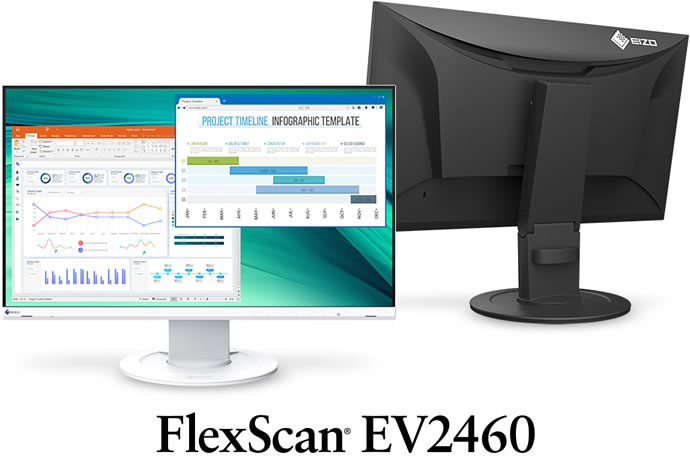
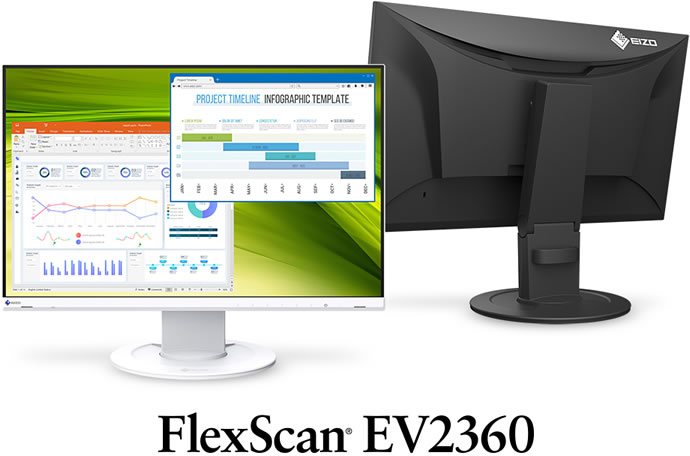
EIZO today announced the release of the two LCD monitors – 23.8-inch FlexScan EV2460 and 22.5-inch FlexScan EV2360, with a frameless design for business environments such as trading rooms, back offices, and control rooms. They feature environmental-friendly specifications to aid companies in achieving their sustainable development goals, which are becoming more recognized worldwide. As part of its efforts to maintain environmentally responsible manufacturing, EIZO developed the monitors without flame retardant in the plastic body to improve recyclability. EIZO also uses recyclable packing material for the boxes the monitors are shipped in.
The FlexScan EV2460 is the successor model to the FlexScan EV2450 and uses a 23.8-inch LCD panel with 1920 x 1080 native resolution. The FlexScan EV2360 uses a 22.5-inch LCD panel – the smallest amongst EIZO’s frameless models. The small-footprint EV2360 has a width of 499 mm and a large native resolution of 1920 x 1200. Both monitors implement LED-backlit IPS (in-plane switching) panel technology with 178° wide viewing angles. The FlexScan EV2460 and EV2360 are equipped with four and two USB 3.1 Type-A ports respectively. This allows users to conveniently connect devices, such as a mouse, keyboard, or headset, directly to the monitor rather than the PC.
EcoView Optimizer 2 saves power by fine-tuning the balance between brightness and gain according to the content displayed on the screen. Auto EcoView automatically adjusts the screen’s brightness in accordance with changes in the ambient brightness to trim power usage while reducing eye fatigue. With these technologies, typical power consumption is reduced to as little as 10 watts (EV2460) and 11 watts (EV2360) – up to 40% less compared to displaying at maximum brightness. Both monitors are certified by worldwide comprehensive sustainability certifications such as TCO Certified Generation 8 and EnergyStar.
There are many valid reasons to grow cannabis/ weed indoors like pain management, growing is way cheaper than buying, no need to deal with nasty dealers or buy from trashy sources and you can control your supply. But in order to achieve the above-mentioned points, you first need to ensure the proper and optimum growth of the plant. With recent changes made in jurisdictions that legalises medicinal and in many cases even recreational uses, indoor grow specialists are increasingly turning towards this crop as a great business proposition. That brings us to the highly recommended technique of using LED grow lights to accelerate the growth cycle of cannabis or weed. Experts believe colours work for these plants in different stages of their growth. Blue grow lights are ideal during the plant’s initial growth cycle and red lights help when it’s time for the plants to begin flowering or budding. LED lights benefit not just the plants but also the consumer, its very energy efficient making them the reasonable choice, and they are way more long-lasting than traditional bulbs such as metal halide’s or high-pressure sodium bulbs.
LED lights don’t emit too much heat which again can be used to the benefit of growing cannabis indoors. Cannabis anyway gives out heat; combine that with heat-emitting bulbs and you have yourself in an irritatingly warm place. LED lights maintain a balance by not heating up, which also helps to avoid draining the atmosphere of liquids and almost all of the moisture you add to the system goes to your plants. There is no denying the pluses here, LED lights to reduce your infrastructure costs, lower your energy bills, reduce your water bill, and are generally safer to operate. Marijuana growers, we have thrown light on this for you!
When someone says they want to reduce their environmental impact, the advice they’ll receive will vary, from using less to adopting green energy. Not everyone can put solar panels up on the roof or make other investments in renewable energy. But fortunately, everyone can choose an energy plan that reduces their environmental impact. Here are a few tips on how do to exactly that.
Shop Around
Don’t sign up to the first utility company that comes your way. Do your research regarding your options. You may be able to switch to an energy company that gets its power entirely from a mix of wind, solar, wave and geothermal power. If that’s not an option, you may still be able to lower your environmental footprint by switching from a company that uses mostly coal to natural gas, something that releases far less carbon dioxide per megawatt of energy produced. You could also subsidise certain projects. For example, some utility companies build micro-wind turbines or harness waste gases from landfills. By signing up for power from one of these companies, you’ll be investing in their research. Use iSelect to research what options there are in your area, compare electricity plans and identify the one that best aligns with your intentions.
Determine Which Plans Fit Your Long-Term Plans
You can switch to a green energy company today, but you’ll save more money if you take your time, research and sign a longer-term contract. It’s important to consider the energy plan alongside your own long-term plans. For example, if you want to put solar panels on the roof to lower your energy bill or get paid for the extra power it produces, ensure that the energy company you choose will support this. It may take the form of a special type of energy meter that can handle the flow of power into the grid and subtract that value off your energy bill. It may be an energy company that offers financing for solar panels and expert installation. Or it could be that they offer power plugs built into your home to provide green energy for your future electric car.
Don’t Forget the Price Tag
When you’re shopping for a new utility company, don’t forget the total price tag you have to pay. You may be able to find a greener energy provider and save on your utility bill. You may also be able to save energy by going with an energy plan that helps you to do more with less. Whether it’s a free energy audit, smart thermostat or rebates for upgrading your appliances to more energy efficient models, look for win-win deals with energy companies. For example, discounts on adding insulation to your house or putting in new double and triple pane windows, if you use service providers approved by the utility company. However, you shouldn’t sign up for a power plan based on incentives or rewards you may not be able to redeem. Don’t agree to cut your energy usage dramatically to take advantage of a lower price per kilowatt hour if it’s far below what you consume now.