Category Archives: Architecture
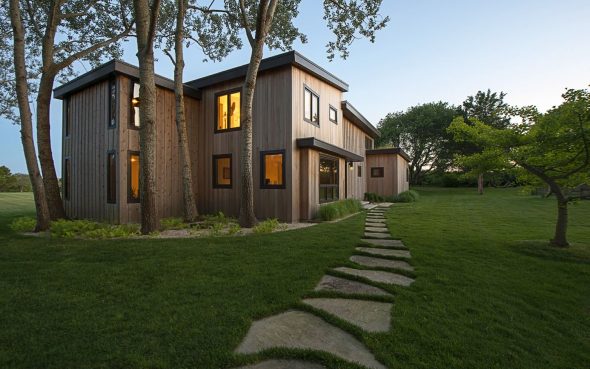
As climate crises emerge and escalate around the world, an increasing number of people are looking for ways to avoid contributing to the problems by establishing green practices in their own lives. While large-scale sociocultural and geopolitical efforts such as the Paris Accord are often the focal point of discussions around environmentalism, individual consumer and lifestyle habits are a significant contributing factor. You can make a difference by implementing changes at home. Choosing eco-friendly products and practices helps embed a climate-aware ethos in your day-to-day life, and contributes to real improvement in aggregate as your friends, family, and neighbors also see green living as a viable choice.
Continue reading 
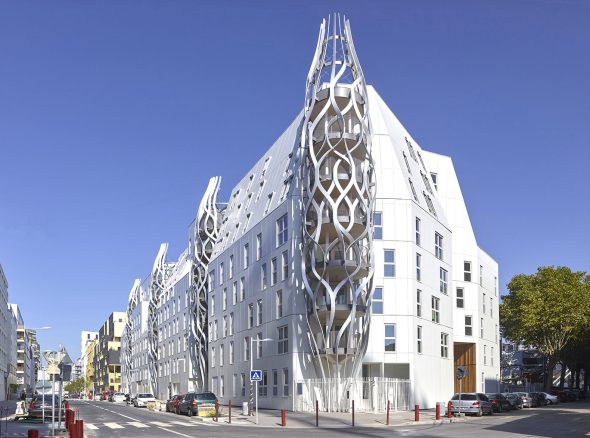
Bush, the former First Lady of the United States, once said something that unintentionally champions the vision of urban renewal in building a greener future: “The planning of buildings, city blocks and public spaces determines how businesses, governments, civic organizations, and neighbors come together and interact as a community.”
Continue reading
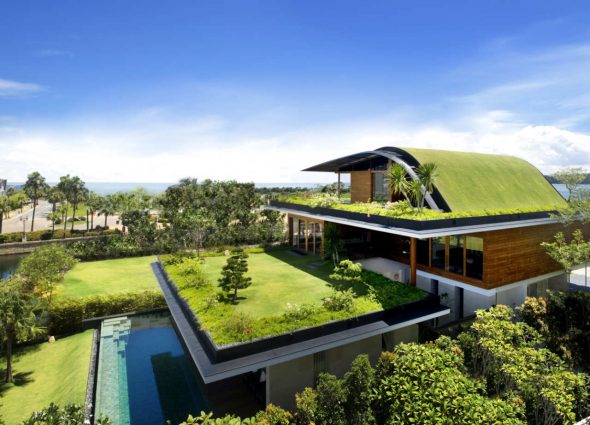
The European Sustainable Development Week happens each year for a week between the end of may and the beginning of june. This event acts as a general call for to encourage sustainable projects but also as a reminder that we should all do our part to help better the environment. Here are 10 essential tips to help you change bad habits into sustainable ones in your own homes. Doing your bit for the environment with smaller actions around the house is just as important!
Continue reading
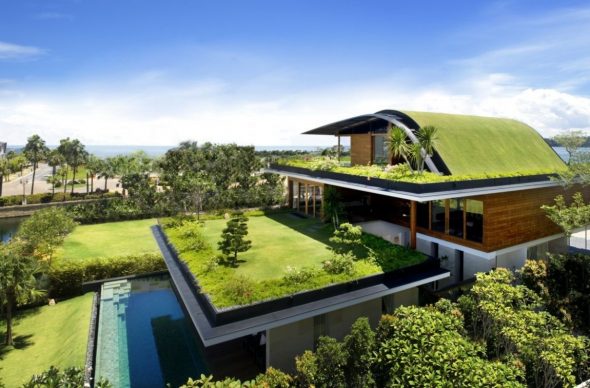
There’s a good chance homes across the country could become a lot greener over the years. The government seems to be encouraging energy efficiency with rebates and incentives, while homeowners realize how much value they can add to their homes with a few green renovations.
So, if you’re planning to invest in your home and make it a lot greener, here are the five must-have technologies you need to know:
Continue reading
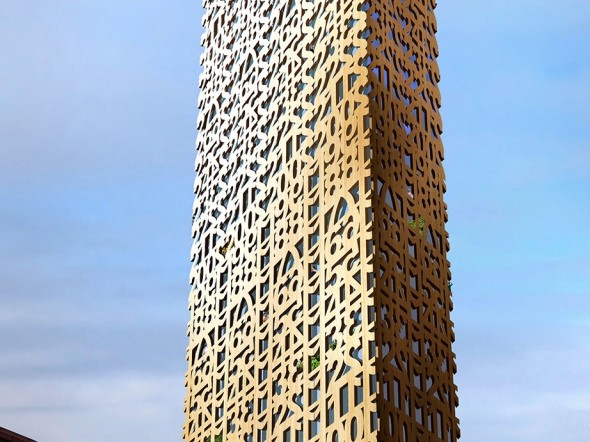 Sweden have led the charge to a sustainable future where organic elements are given priority in the production value chain as well as utility. This is why the country is inspired to create its tallest skyscraper and use only wood for the build. The structure will be designed by Anders Berensson Architects and will extend to 40 floors. The entire building will be made out of cross-laminated timber (CLT), which is known for its durability and strength. It is the same wood used to construct all-wood apartments in Portland Oregon. The building will be 436-feet high and include everything from 850 sq. ft. apartments to shopping areas and even private terraces.
Continue reading
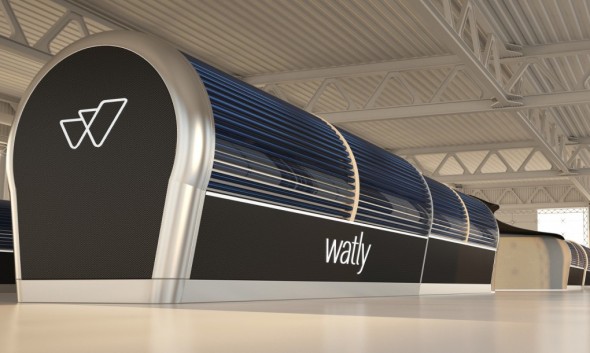
Sustainable resources are those that go a long way in ensuring complete independence from non-renewable sources. The Walty multi-tasking setup in Ghana is a prime example of a system so efficient that it can change the way people look at solar energy. This amazing plant offers residents power supply potable water supply and even Internet connectivity. The pilot version did well for the company that runs the show and now we’re gearing up for an even bigger and more efficient Walty 3.0. The company has raised a crowdfunding campaign on Indiegogo to develop what could be the world’s biggest solar-powered computer. The 40-meter long setup will help generate 1,320 gallons of water, daily, for the next fifteen years. It will also enable power for device charging in up to 3,000 homes.
Continue reading
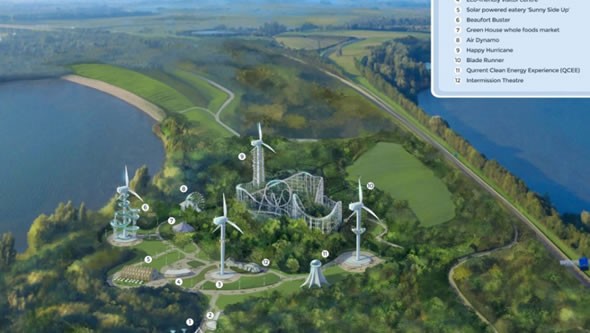
To dispel the myth that all sustainable actions are sacrifice and compromise, Dutch renewable energy company Qurrent came up with a novel idea that introduced the element of fun to all sustainable actions. In a collaboration with Jora Entertainment, the company designed a theme park that is complete with exhilarating rides. The park serves as both an educational as well as a recreational zone according to Richard Klatten, CEO of Qurrent. He adds that within the next decade, wind energy will be ubiquitous and we agree that people need to acknowledge and appreciate this. The theme park spans 8,000 square meters and all rides within it are powered by wind turbines that are strategically placed around the park. Among the most thrilling rides here is the Beaufort Buster, which is basically a water slide that spirals around a wind turbine.
Continue reading
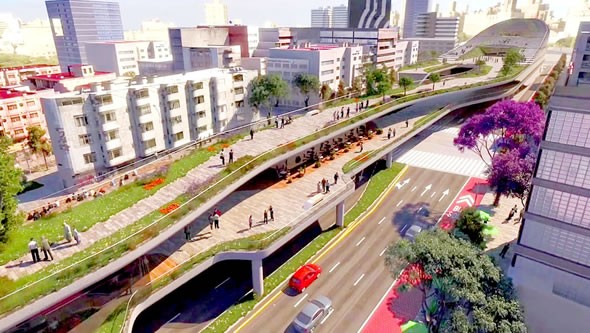
What better replacement for a traffic-congested than a serene park with fountains and walkways? Mexico City will soon see the construction of an elevated promenade about the bustling 10-lane road that runs west to east, connecting Chapultepec Park to the city center. The elevation is said to be a treat for pedestrians by offering a beautifully constructed walking path, cafes and even fountains, all flanked by flora of every sort. The path will be named Cultural Corridor Chapultepec and it will give the 16th century street to some beautiful landscaping. Pedestrians can enjoy a walk without bring surrounded by traffic and pollution. Being elevated may even reduce the sound levels.
Continue reading
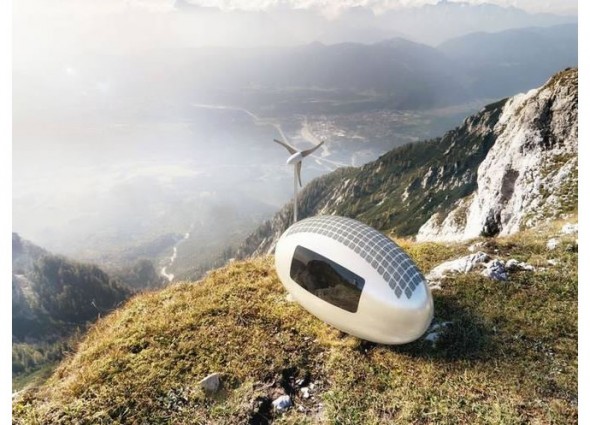
Backpacking is one thing and pitching tents to perfection is another. Travels needn’t be a rugged experience every time. With something as cool as the Ecocapsule house you can expect to enjoy your travels while smartly making your home with nature, luxuriously. Nice Architects have designed this cool micro-home, that is powered with solar and wind energy. It’s a delightful living space that offers all the simple comforts of a holiday home. It is portable and looks quite snug to step into. The house is rigged with solar panels on the roof and a 750W wind turbine to harness natural energy. That’s not all, the capsule also accommodates a unique rainwater collection method.
Continue reading
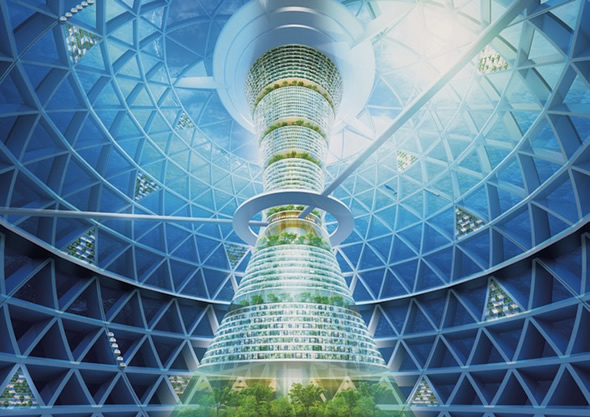 One of the most unexplored regions on our planet is the depths of the oceans. Not many have ventured there, though we do dream about living below the surface quite often. Tokyo-based Shimizu Corporation is a step closer towards turning that dream into a reality. The company has unveiled plans for an underwater city that could very well be the next best place to live in the future. Called the Ocean Spiral, this sustainable underwater city is a futuristic Atlantis that could be turned into a reality for $26 billion!
Continue reading