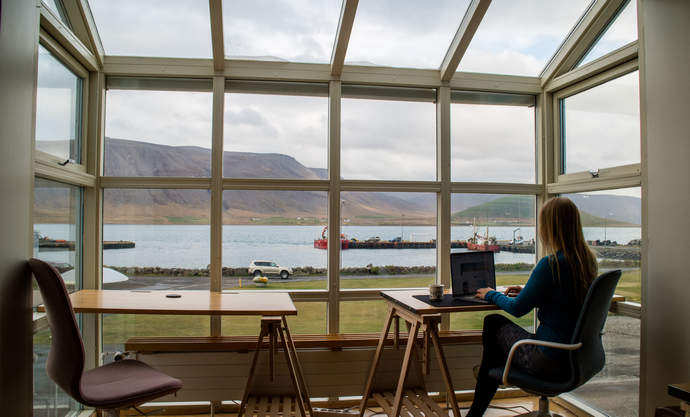
Did you know that working from home can both positively and negatively affect CO₂ emissions? Not too long ago, working from home was seen as just for freelancers and part-timers. Modern technology made most computer-based work possible to be done from anywhere. But there still seemed to be a lack of trust between employers and employees to get work done while not physically being at a desk in view of other colleagues.
Suddenly, the Covid-19 pandemic reared its ugly head, and everyone was forced to stay at home.
Rather than hurting productivity, businesses around the world began to see that their employees could be just as productive at home as in the office. In lots of cases, even more so. In fact, this ‘new normal’ of working ended up being so successful that many businesses adopted some form of long-term hybrid working system once restrictions had been lifted.
It wasn’t just working systems that benefitted from this revelation – with fewer cars on the road during the lockdown, fossil-based carbon dioxide emissions fell to an all-time low.
But now that we’ve adopted this way of working for some time now, studies are finding that our hybrid working carbon footprint could actually counterbalance the good effects of not going into the office every day. After all, we’re now using a lot more energy at home than we used to.
So if you’re working from home or remotely more often, here are five ways to reduce your carbon footprint even further.
1. Go paperless One of the perks of not being at the office is not having to deal with bulky PowerPoint presentation printouts anymore. Go a step further and swap your paper notebook and desk calendar for free digital apps like Google Keep and Google Calendar. Not only does this help save a few trees, but also makes it easier to access your notes and schedule from anywhere. And they’re easier to share with colleagues, too.
You can also make sure you only print documents out if absolutely necessary. Not only will this save energy and trees, but it’ll also save you a small fortune in printer ink over time.
2. Ease off large email attachments You might not expect emails to affect your ‘remote work carbon footprint’. But unsurprisingly, the internet itself uses a massive amount of energy. The carbon footprint of an email is about 4g of carbon dioxide according to climatecare.org. Add a large attachment to that email, and it shoots up to as much as 50g.
While it might be a big ask to stop sending emails altogether, there are ways to limit the impact your internet and computer usage has on the environment. For example, not hitting ‘Reply all’ unless necessary, using a greener cloud provider to store your files, and dimming your monitor so it uses less energy.
3. Switch to a better energy provider If you’re looking for ways to save energy, why not kill two birds with one stone by switching to a cheaper energy provider too? While changing your habits will make savings in both energy and money, finding a better deal for the energy you use will help with keeping on top of your bills.
While the recent price cap increase saw energy prices soar, there are still some companies like Utility Warehouse that offer consumers the chance to save money. For example, they can save their customers money on energy when they bundle multiple services with them. You can also get a free latest-generation smart meter with them, which lets you keep track of your energy use in near-real time. So you can take steps to adjust your usage and make even more savings.
4. Go literally green with plants Not only do they absorb carbon dioxide and give off oxygen, but office plants are proven to boost productivity, too. So by getting a few for your home office, you’ll be supporting your mental health as well as the environment.
You’ll want to choose your plants wisely as different plants thrive in different environments. Wired’s article gives some handy suggestions for plants that do well indoors.
5. Switch off Putting your TV or computer in sleep or standby mode is convenient, but they still end up using energy while in this state. If you’re not going to use electronics for a while – especially at night – make sure you completely power down and switch them off at the mains.
And even though they may seem obvious, remembering small things like switching lights off in rooms that aren’t being used and only filling the kettle with the amount of water you need for one boil can save a lot in the long run.
Having pets in the house has many advantages, but it can also pose a risk to landlords.
This article discusses several advantages and disadvantages that you should consider if you are a landlord considering this option. We’ve also included some suggestions at the end in case you decide to take the plunge.
Pros
It Enlarges Your Options
Having pets owners as tenants gives you access to a much larger pool of potential tenants. A lot of people looking to rent property who already have pets are not willing to compromise on their pets.
Increased Rent
If you have pets in your home, you will need to raise your rent. We recommend including a small sum to help prepare for wear and tear.
Even if it is not a significant increase, typically around £50 a month extra for example, it will be sufficient to cover any maintenance that is required during the cleaning process.
Stabilized Tenants
Tenants with pets tend to be more settled in their lives due to the responsibility that comes with pet ownership. If a tenant is dependable and responsible, they will respect your property more.
Cons
Damage
Landlords are frequently irritated when pets cause property damage. While the deposit is refundable, pet damage is common. The most common type of pet damage is scratched up walls and lingering smell.
Allergies
If future tenants are allergic to pets, it can be a difficult situation. Though this doesn’t seem like it would be an issue, pet hair can linger in properties, and this can hurt future tenants with allergies or breathing problems.
Deep Cleaning
Once a pet has been removed from a property, an additional clean is required. This is both time-consuming and costly.
Tips To Consider
Consider Carefully
You don’t need to accept every pet-owning tenant that comes your way. Simply acknowledge that you are considering pets and make your decision from there. There is no obligation here, and you can make a decision based on your criteria.
Draft A Favourable Tenancy Agreement
Make sure your tenancy agreement has a clause regarding renting with pets. Adding an umbrella clause that says pets are accepted is not recommended. Instead, the terms should be specific around what is and isn’t allowed.
Meet The Pet If Possible
You can also inquire about the pet’s current location to see if you are comfortable having one in your rental property. As a result, you can learn about its behaviour, cleanliness, and environmental impact.
Conclusion
Renting out your property to pet owners can be a great way to bring in extra income, but it comes with its own risks, especially if you’re not comfortable having strangers come in and out of your rental.
There is no one-size-fits-all answer when it comes to whether or not you should rent out your property to pet owners. It all depends on your exact circumstances and, in particular, what lease agreements you have with the respective tenant.
Supply chain challenges, problems, and setbacks have always been seen as part of running a business. From sourcing the materials you need to shipping the finished product to your clients, you need a robust supply chain to keep your business running. How you deal with the challenges and problems that exist in your supply chain is essential to your business’ success. In this article, we will discuss how you can overcome these challenges in your green business.
Understand Your Supply Chain Most of the companies that have issues with their supply chains do not understand their supply chains. A comprehensive analysis and understanding of your whole supply chain let you know what vulnerabilities exist as well as predict which problems are likely to come up in the future. By doing so, you can put measures in place to help mitigate supply chain problems.
Address Cyber Threats and Vulnerabilities It is almost impossible to run a business without the use of data and information dissemination among different partners. For all that technology does to enable both of these things, it also introduces threats that can cripple businesses and whole industries.
A supply chain is as strong as its weakest link, and this is why it is important to assess any cyber threats in your supply chain. By doing so, you can ensure that malicious third-party actors cannot interfere with your supply chain. This can be done through training employees and everyone involved in security best practices, improving your processes, and updating and upgrading your IT infrastructure regularly.
Diversify Your Suppliers Having one or just a few suppliers has always been frowned upon. This is because if a major supplier is unavailable, that could spell doom for your business. A great example is one cited on Satelliteindustries.com where they explain how winter weather and snowstorms in Texas have affected the sanitation and green industries due to grounding businesses that supply the raw materials required in these industries.
To overcome this challenge, a lot of businesses have one main supplier and several other suppliers they can rely on in case of an emergency. Additionally, businesses are advised to have suppliers in different geographic regions. If the companies that rely on the suppliers in Texas had suppliers in other regions, perhaps the raw material shortage would have been avoided.
Use Shipping To Your Advantage A shortage of drivers has always been a challenge for most types of businesses, but things have gotten a lot worse during the pandemic. This reduced number of drivers is cited as one of the reasons for supply chain challenges for green businesses. Fewer drivers mean that you cannot rely on the frequent delivery of smaller orders.
To take advantage of shipping, you need to opt for larger, less frequent shipments. Larger shipments not only save you money but also give you some cushion to work with in case your next shipment is delayed for any reason.
The failure to understand your supply chain as well as the risks that can lead to supply chain failures will affect your business. It is always best to be prepared by understanding your supply chain and putting measures to protect it against any issues that may arise.
The growing population, expansion of the industrial sector, and availability of better infrastructure have led to an increase in demand for electricity across the globe. Developed as well as developing countries are trying to balance economic growth while improving the standard of living, for their citizens. These visionary plans have led to an electricity upsurge. Governments across the globe are trying to explore commercial solar on NRG marketand meet these demands by increasing their power generation capacity while balancing carbon emission to co-exist on planet earth. These goals have led to strong regulations on power usage and have fostered encouragement towards renewable sources such as ‘Commercial Solar Power’.
What is commercial solar power? Solar energy is a renewable source of power with the ability to meet the challenges of the new world. Commercial solar power is an installation of industrial size solar panels for extensive self-consumption of electricity. Basis the technology available, commercial solar power is divided into two major segments, Solar Photovoltaic and Concentrated Solar Power. In 2019, Solar Photovoltaic witnessed a dominant market share with a total of 116.9 GW globally with a growth of 103.7 GW recorded in the previous year. On the other hand, the aggregated capacity of concentrated solar power was 6.2 GW with more than 600 MG capacity recorded online.
How do they work? Commercial solar power is collected energy from the sun, made possible by industrial-size rooftop installations made of layers of silicon, phosphorous, and borons laid in a grid pattern. These panels have a lifespan of 15-20 years with no to little maintenance and can support an establishment, both in the day and at night. Governments across the globe have launched many initiatives in lowering dependencies on coal and other fossil fuels. To support this initiative, governments in China, Japan, the US, and EU countries have stringent feed-in tariffs, investment tax credits, net metering, and capital subsidies tosee how you can save with commercial solar.
Impact of Covid-19 on the commercial solar power market The Covid-19 pandemic has disrupted supply chains, delayed deliverables, and created a massive shortage of labor, be it human or in terms of energy. This lead to a fall in the demand for electricity and supporting equipment. A developing country like India that imports 80% of its solar cells and equipment from China witnessed a fall of 1% in demand for electricity nationwide due to lockdown and withdrawal of investments in industries. Despite the repercussions of the pandemic, the global solar power market at USD 163.7 BN is predicted to reach USD 194.75 BN by 2027.
The Future of Commercial Solar Power APAC is anticipated to lead the growth of the commercial solar market with China leading solar projects at a total capacity of 30.1 GW. EU is second with its installations at 16.7 GW which is 104% higher than the year before. It has been observed that the application of Commercial Solar Power is higher in end-use industries such as utility, residential and non-residential. Therefore, governments across the world are encouraging their resident industry giants to adopt more utility application-based solar sources. Some of the top global leaders to check out the new commercial solar marketplace are Urja Global Limited (India), Canadian Solar Inc (Canada), BrightSource Energy (US), and Trina Solar (China).
Industries and governments across the planet have realized the impact of using fossil and non-renewable energy sources. Commercial solar power is the cleanest and more abundantly available source of energy that can efficiently support our livelihood whilst positively impacting the planet leading to its strong demands for a better future across the globe.
If you have just inherited a property or you are in the middle of renting out your home because you want to move somewhere else, becoming a landlord can be tricky.
Fortunately, there are various detailed guides to renting your home that can help. However, most of the time you just need a list of the important things you need to remember. Here is a guide to the top four things every landlord should know before diving into the world of property letting.
1.You are Obligated to Make the House Liveable Before Tenants Move in: There are certain landlord obligations that come with renting out a property, some of which will be about the property itself. Is your property a turn-key property, or does it need renovations to make it liveable? If it is the latter, it is your duty to make adjustments before your tenants move in. Your property must adhere to strict requirements for it to be legally compliant for letting out to tenants. You need to find out what they are first.
2. Your property has Strengths and Weaknesses: You need to consider what type of tenant you would like to attract. Will you be a student landlord, or will you provide rental property to young professionals? These tenants are different and will have varying expectations of their landlord and the experience they want from their future home. For example, should you transform the 4-bedroom family home near a good primary school into 4-single-occupancy flats? Probably not. Reflect on the strengths of your property and position and plan accordingly.
3. There is a Learning Curve There will always be bumps you will encounter on the road of renting out property. For example, when you contact an exterminator for a mouse problem, he may spot mould in a crawl space. Before you know it, a small issue becomes a big and expensive problem. Experienced landlords are generally better at spotting potential issues, so don’t despair when there are problems – rather learn from them.
4. Emergencies are Inevitable: It is crucial that you are always prepared as a landlord and protect your residential property investment. Set aside a certain amount of money for insurance in case anything goes wrong. If your property is vacant all of a sudden, you need to ensure that you can pay for the mortgage without rental income.
Set money aside for unexpected problems. No matter how new property is, wear and tear and bad weather can easily lead to the need for repairs and maintenance.
5. The Bottom Line: At the end of the day, it’s all about the welfare of your tenants, good communication, and documenting agreements in writing. If you are thinking of employing a property manager, get in touch with an experienced and trained property professional who can make the experience of letting out your property less stressful and more profitable.
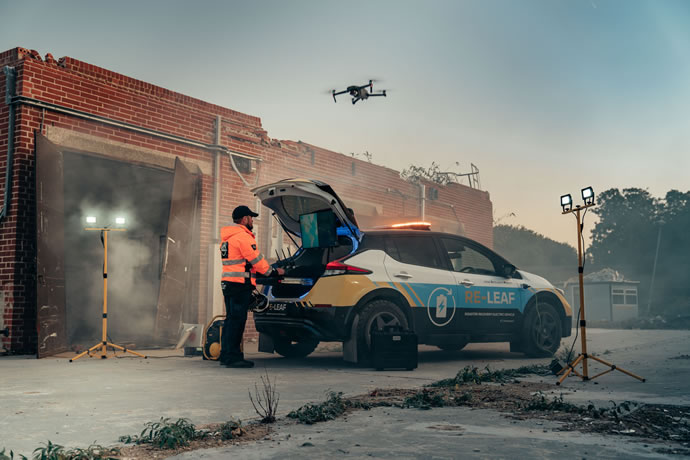
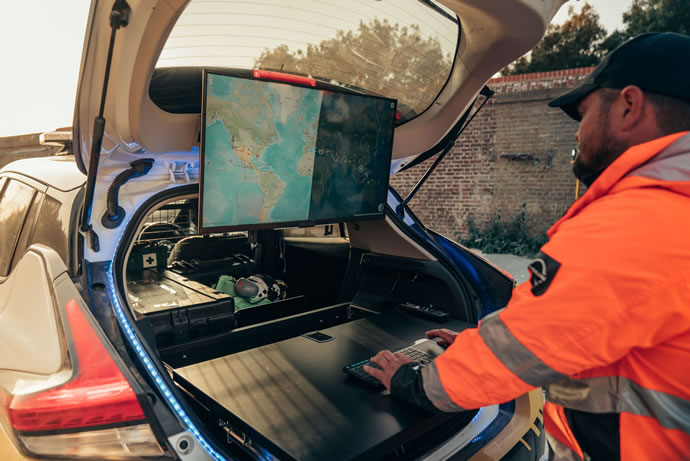
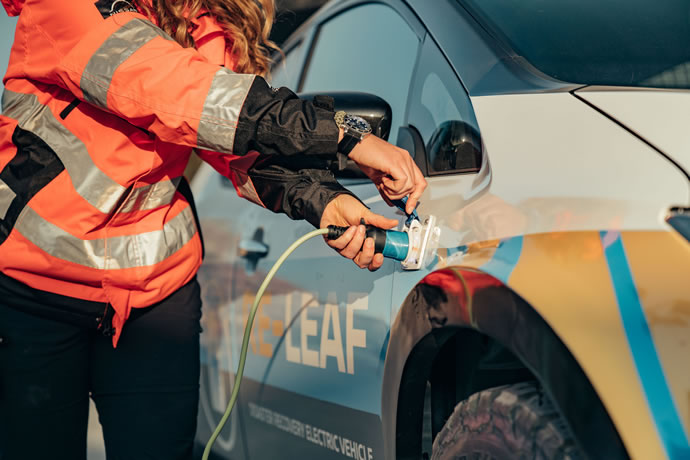
Nissan today unveiled a 100% electric emergency response vehicle concept- RE-LEAF1, designed to provide a mobile power supply following natural disasters or extreme weather. The Nissan RE-LEAF1 working prototype is based on the world’s first mass-production electric car -Nissan LEAF. Alongside modifications to navigate roads covered in debris, the RE-LEAF features weatherproof plug sockets mounted directly to the exterior of the vehicle, which enable 110- to 230-volt devices to be powered from the car’s high-capacity lithium-ion battery.
The RE-LEAF can be driven into the center of a disaster zone and provide a fully mobile power supply to aid the recovery process. The integrated energy management system can run medical, communications, lighting, heating and other life-supporting equipment. The RE-LEAF uses the LEAF’s bidirectional charging ability, a standard feature of the model since its introduction in 2010. This means the LEAF can not only “pull” power to recharge the high-capacity battery, but also “push” it back to the grid through V2G (Vehicle-to-Grid) technology, or directly to electric devices through V2X (Vehicle-to-everything).
Natural disasters are the biggest cause of power outages. A 2019 World Bank report found natural shocks and climate change caused 37% of outages in Europe between 2000 and 2017, and 44% of outages in the U.S. over the same period. When a disaster hits, the time for electricity supply to be restored is typically 24 to 48 hours, depending on the severity of the damage. During that period, electric vehicles like RE-LEAF1 can provide zero-emission mobile emergency power.
Nissan created the RE-LEAF to demonstrate the potential of electric vehicles in disaster recovery. Nissan EVs can also act as mobile storage batteries to supply homes and society with electricity during non-emergency situations through Nissan Energy Share, creating a distributable energy model that can be used to help stabilize supply and demand. Acting as a portable power station, the latest generation Nissan LEAF e+ with a fully charged 62 kilowatt-hour battery can provide enough electricity to power the average European household for six days.
As a disaster recovery vehicle, the RE-LEAF can power multiple devices simultaneously like Electric jackhammer, 10-liter soup kettle, 100-watt LED floodlight etc for 24 hours. Once electricity is restored to the area, EVs can be recharged and provide zero-emission transport – up to 385 kilometers2 on a single charge of a LEAF e+ battery.
At IFA 2020, Bosch Smart Home will be presenting their SmartGrow Life. SmartGrow Life is an innovative, all-in-one indoor gardening system for growing herbs, greens, and even tomatoes at home. Thanks to its patented lighting and irrigation technology, users can grow healthy and aromatic plants that contain four times as many vitamins as the herbs all year round.
In addition to providing fresh greens, SmartGrow Life is an eye-catching complement to any kitchen counter or table and can even be mounted on the wall. Following the sustainability principle, all materials used for the device, accessories, and packaging can be reused, reprocessed, or recycled.
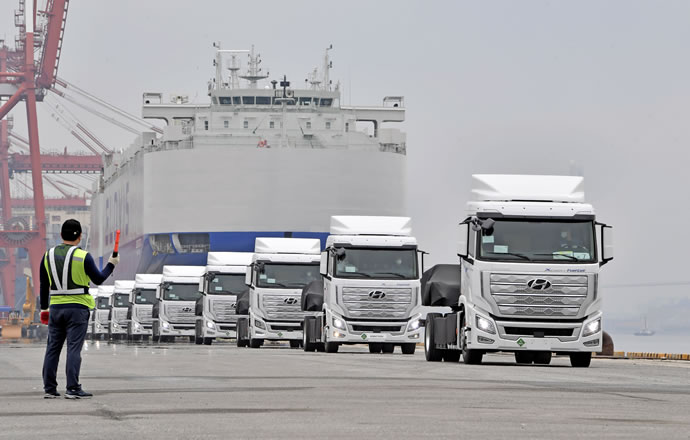
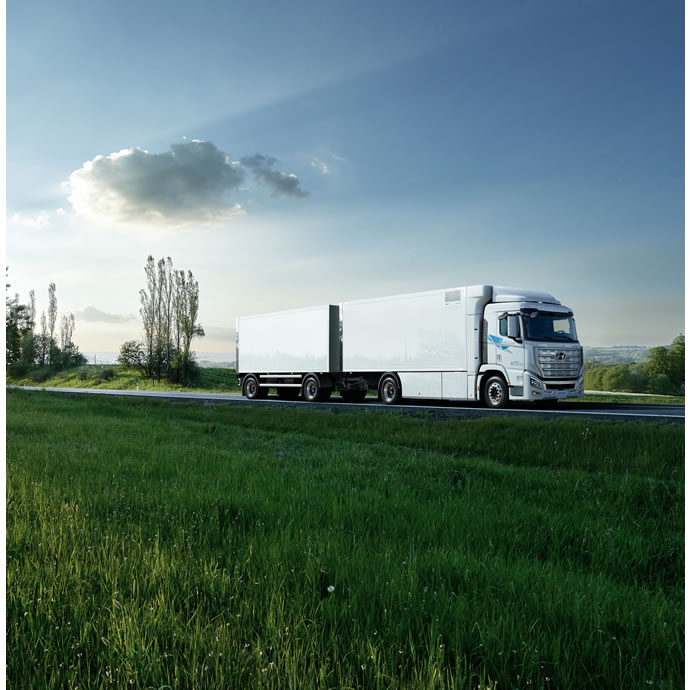
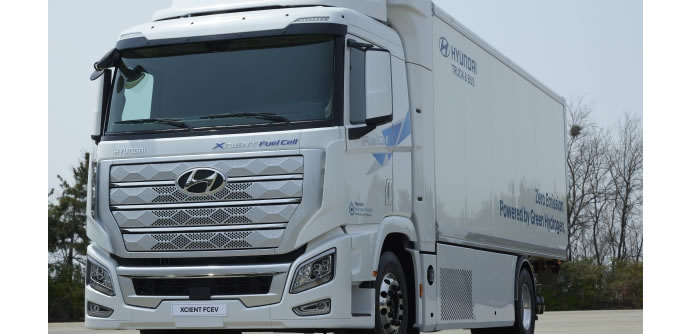
Hyundai Motor today shipped the first 10 units of the Hyundai XCIENT Fuel Cell, the world’s first mass-produced fuel cell heavy-duty truck, to Switzerland. Hyundai plans to ship a total of 50 XCIENT Fuel Cells to Switzerland this year, with handover to commercial fleet customers starting in September. XCIENT is powered by a 190-kW hydrogen fuel cell system with dual 95-kW fuel cell stacks. Seven large hydrogen tanks offer a combined storage capacity of around 32.09 kg of hydrogen.
The driving range per charge for XCIENT Fuel Cell is about 400km, which was developed with an optimal balance between the specific requirements from the potential commercial fleet customers and the charging infrastructure in Switzerland. Refueling time for each truck takes approximately 8~20 minutes. Fuel cell technology is particularly well-suited to commercial shipping and logistics due to long ranges and short refueling times. The dual-mounted fuel cell system provides enough energy to drive the heavy-duty trucks up and down the mountainous terrain in the region.
Hyundai is developing a long-distance tractor unit capable of traveling 1,000 kilometers on a single charge equipped with an enhanced fuel cell system with high durability and power, aimed at global markets including North America and Europe. Hyundai plans to roll out a total of 1,600 XCIENT Fuel Cell trucks by 2025, reflecting the company’s environmental commitment and technological prowess as it works toward reducing carbon emissions through zero-emission solutions.
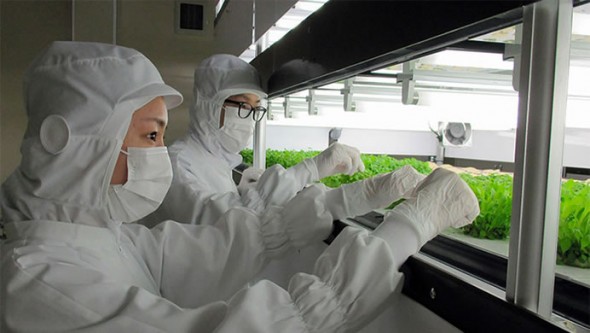
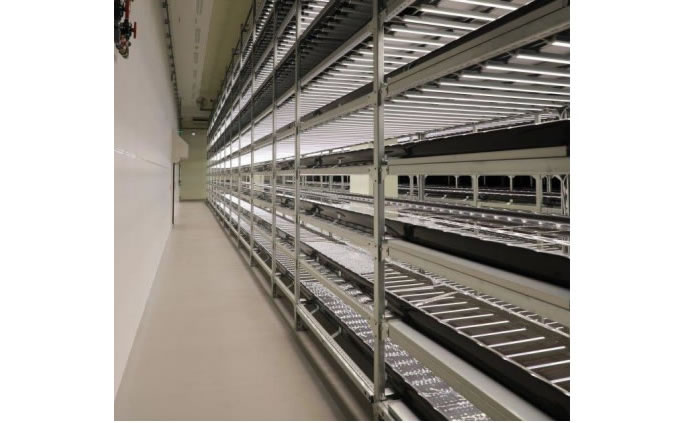
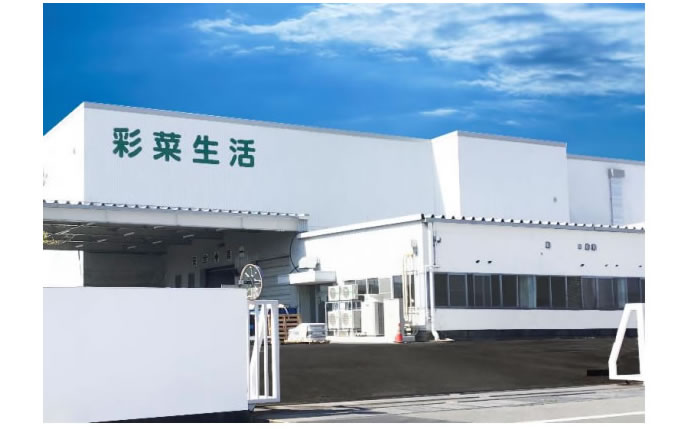
Tokyo Electric Power Company along with three other companies launched an indoor vertical farm in central Japan with production capacity of 5 tons a day — one of the worlds largest for facilities relying solely on artificial lighting. The three companies established Saisai Life in April 2019 for the purpose of conducting a leafy vegetable production and sales business centered on lettuce. Saisai Life started the operation of the farm with a total floor space of about 9,000 square meters last Wednesday in the city of Fujieda, Shizuoka Prefecture in Japan to grow leafy greens such as lettuce by utilizing light-emitting diodes.
For the construction of the factory, they have utilized the farm ship know-how that has a track record of operating plant factories, adopted unique LED lighting that enables more effective cultivation, and optimized the cultivation space, etc. The leafy vegetables from this artificial indoor vertical farm will be shipped to food processing plants mainly in the Kanto, Chubu, and Kansai areas, and the sales channels will be expanded to produce full capacity in one year. In addition, by cultivating in a hygienic environment without being affected by the external environment, it becomes possible to maintain high freshness longer than usual, leading to reduced food loss. This facility also provide solutions for some of the problems faced by Japanese agriculture industry, such as a decline in the number of farmers and the aging of farmers still working in the field.
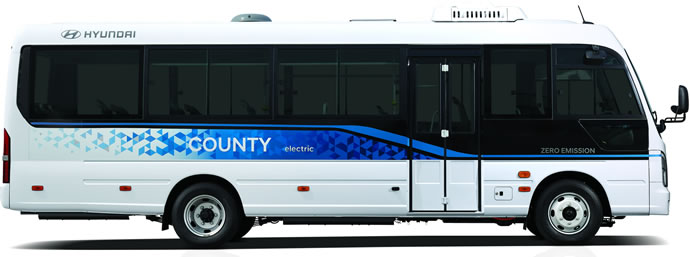
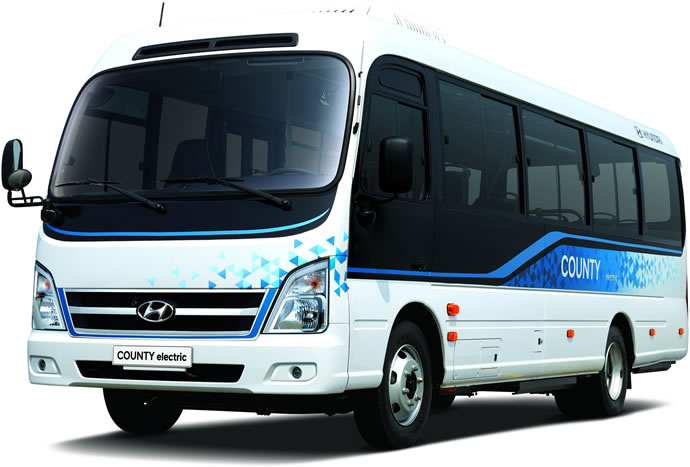
Hyundai Motor today introduced its first electric minibus for the Korean market – Country Electric. The Hyundai electric minibus provides an economical, eco-friendly, safe, and convenient alternative to diesel-powered buses. The 7,710-mm-long County Electric is equipped with a high-efficiency and high-power 128-kWh lithium-ion-polymer battery that provides a range of 250 km on a full charge. The 128-kWh battery can be fully charged in 72 minutes using a standard Combo 1 DC system(based on 150kW charging), which helps ensure reliability. The bus can be charged using a household 220V outlet, which takes 17 hours (220V charger is provided as an option).
County Electric’ Minibus has equipped the bus with the latest safety technologies to prevent accidents when passengers get on and off. Various sensors located near the middle door, including an ultrasonic sensor, prevent the door from closing while the passenger is getting on and off. The sensors also trigger an alarm when a body part gets caught in the door and automatically opens the door to prevent injury. The ultrasonic sensor is also connected to the bus’s acceleration pedal, which prevents the bus from moving forward from a stop when passenger movement is detected. County Electric also comes with a virtual engine sound system and rear parking assist system to warn pedestrians and prevent accidents.
Not only is Country Electric economical and eco-friendly, but it is also powerful. Within the 50 to 80 km/h range, Country Electric provides a 30-percent faster acceleration compared to diesel models. In addition, the bus is equipped with an electronically controlled, air-over-hydraulic(AOH) brake system with more robust brake discs to handle increased vehicle weight due to the battery. Hyundai Motor will offer the bus in configurations with 15 to 33 seats. The bus is available with a twin swing-type rear emergency door, seats with a 220-mm-higher backrest, and a new seat belt system that can reduce abdominal pressure during emergency braking.